Chapman Research Group
Atmospheric Science and Machine Learning Research at CU Boulder
About Our Group
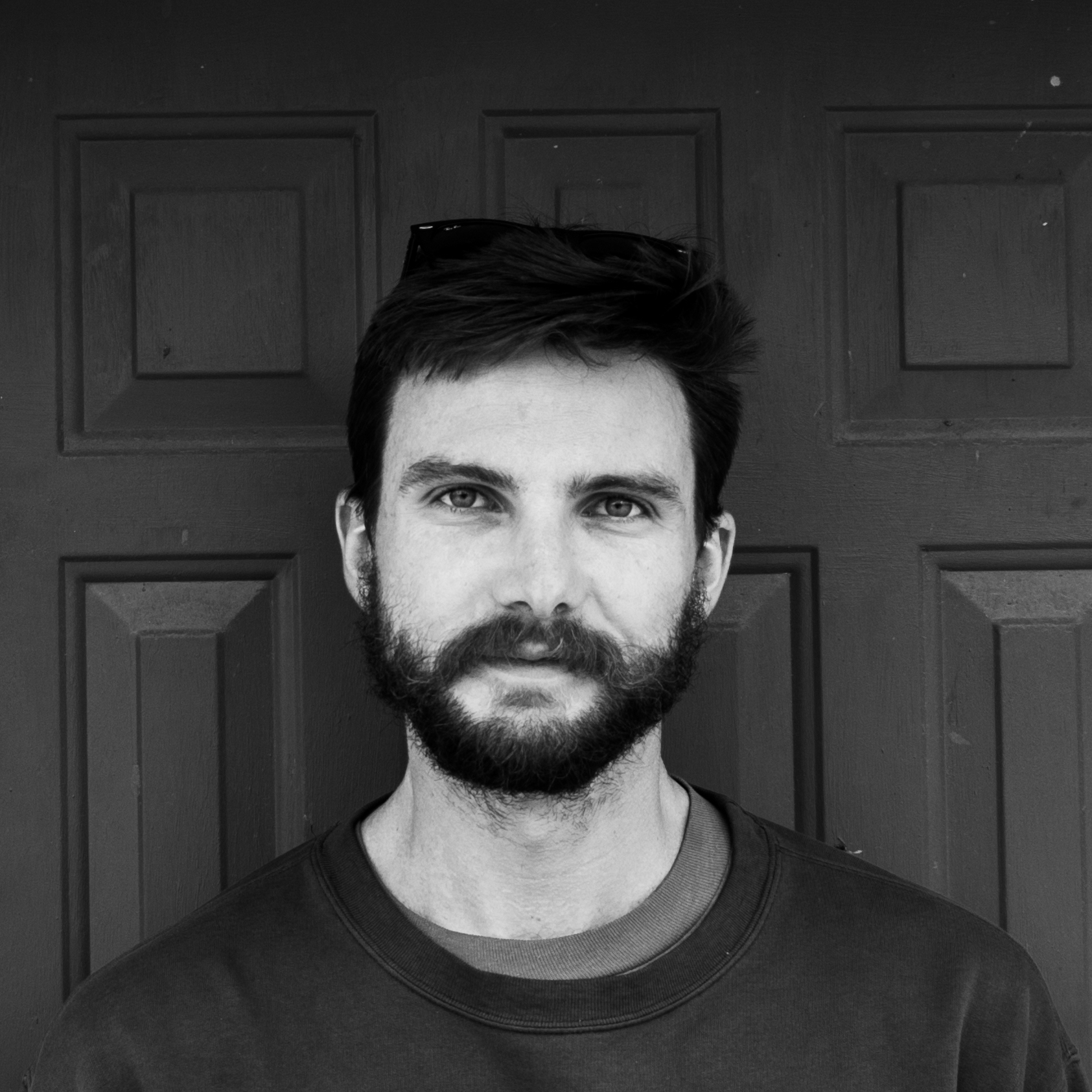
Welcome to the Chapman Research Group (I'll need a new picture soon)! We are part of the Department of Atmospheric and Oceanic Sciences at the University of Colorado Boulder. Our research focuses on advancing the predictability of weather and climate systems through innovative applications of machine learning, data assimilation, and hybrid modeling approaches.
We investigate processes underlying weather and climate predictability to enhance safety, security, and well-being of communities worldwide. By understanding and predicting atmospheric phenomena, we aim to reduce risks associated with extreme weather events and contribute to more resilient societies.
Research Focus
Our group works at the intersection of atmospheric science, machine learning, and climate modeling. Current research areas include:
- Extreme Weather Prediction: Developing methods to improve subseasonal-to-seasonal forecasts of high-impact weather events
- Machine Learning for Climate Models: Creating hybrid ML-physics approaches for climate model bias correction and emulation
- Data Assimilation: Leveraging increments from reanalysis systems to identify and correct systematic model errors
- Coupled Earth System Modeling: Understanding ocean-atmosphere interactions and their role in predictability
Principal Investigator
Dr. Will Chapman joined CU Boulder as an Assistant Professor in 2025. Previously, he was an Project Scientist and ASP Post-Doctoral Fellow at the National Center for Atmospheric Research (NCAR) and a lead-scientist for the Multiscale Machine Learning (M2Lines) In Coupled Earth System Modeling project.
Will earned his doctorate in Oceanography from Scripps Institution of Oceanography, where his research focused on enhancing predictability of North American West Coast weather patterns using Deep Learning methodologies and investigating coupled phenomena relevant to extended-range forecasting.
Throughout his career, Will has collaborated with researchers at the Center for Western Weather and Water Extremes, working to better understand weather and water-related phenomena in the western United States.